
Basement Humidity Levels Explained: Ideal Range, Common Problems & How to Fix Them
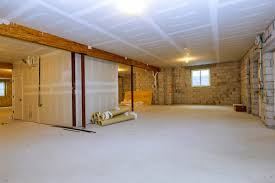
Basements naturally hold more moisture than the rest of the home. When humidity climbs too high, you may see mold, musty odors, condensation, rusting appliances, or even structural damage. This guide explains the ideal basement humidity level, how to measure it, what causes humidity problems, and the safest ways to fix them. You’ll also learn common signs, prevention tips, seasonal recommendations, and when it’s time to call a professional.
This guide also covers the signs of high basement humidity, recommended tools, preventative habits, and when it’s time to call in a professional.
Key Takeaways
- Ideal basement humidity: 30 – 50%
- Mold risk increases sharply above 60% humidity
- Summer humidity tends to be higher because warm outside air holds more moisture
- Winter humidity sometimes gets too low (under 30%) causing dry air problems
- Unfinished basements naturally run more humid due to exposed concrete
- Dehumidifiers should maintain ~45% for best results
- Basements more humid than upstairs is normal due to cooler temperatures and poor airflow.
DIY Difficulty Summary
|
Difficult |
3 / 10 |
|
Time Required |
15 – 45 minutes |
|
Skill Level |
Beginner |
|
Risk Level |
Low-Medium (mold exposure + light electrical considerations) |
Tools Needed
Gather these tools before you begin:
- Digital hygrometer (to measure humidity)
- Basement dehumidifier (portable or built-in pump)
- Smart humidity sensor (optional for tracking trends)
- Waterproofing crack sealant
- Basement wall waterproofing paint (if required)
- Pipe Insulation wrap
- Vapor barrier sheets
- Shop vacuum
- Fan or ventilation unit
- Flashlight
These tools make diagnosing and resolving humidity issues much easier and safer.
Ideal Basement Humidity by Season
Humidity needs change depending on the time of year.
- Summer (45 – 50%) – Warm air carries more moisture, causing basements to spike in humidity
- Winter (30 – 40%) – Cold outdoor air is dry, and basement humidity often drops too low.
If you live in colder regions (like Canada), humidity may naturally fall into the 25 – 35% range during winters.
Can Basement Humidity Be too low?
While high humidity gets most attention, humidity below 30% can also be a problem, especially in winter.
Low humidity can cause:
- Dry skin and throat irritation
- Cracking or shrinking wood
- Static electricity
- Furniture or flooring damage
If your basement frequently drops below 30%, you may need a small humidifier during cold months.
Common Causes of High Basement Humdity
Basements are the lowest and most moisture-prone areas of a home. Humidity rises when:
- Moisture seeps through concrete walls or floor
- Poor ventilation traps moist air
- HVAC issues cause stale, humid air to settle
- Rain or snowmelt increase soil moisture
- Appliances (water heater, washers, freezers) release humidity
- Plumbing leaks or pipe condensation
- Unvented dryer exhaust adds large amounts of moisture
- Open sump pump basins allow moisture to evaporate into the air
- Unfinished concrete continuously releases moisture
Basements often sit below the water table, so controlling humidity is essential.
Symptoms of High Basement Humdity
It’s easy to overlook humidity problems until the symptoms become more noticeable. Here’s what to watch for:
Visible Signs
- Condensation on walls, windows, or pipes
- Water droplets forming on cold surfaces
- Musty or “earthy” smell
- Mold spots on walls, carpet, or furniture
- Peeling paint or bubbling drywall
Structural Signs
- Warped wood or swollen door frames
- Rust on metal shelving, water heaters, or HVAC lines
- Crumbling or powdery white residue on concrete (efflorescence)
Health Symptoms
- Worsening allergies
- Coughing or throat irritation
- Headaches or sinus pressure
If you notice multiple signs, your basement is likely above the recommended range.
Safty Warnings (Read before you start)
Humidity fixes are generally safe, but take these precautions:
- Wear a mask if mold is present – never scrap mold dry
- Turn off power to outlets or devices if you find standing water
- Don’t plug in a dehumidifier next to puddles or leaks
- Avoid working with wet hands around electrical outlets
- Do not attempt major electrical or plumbing repairs yourself
- Stop immediately if you smell burning, see sparks, or find water pooling near wires
If mold covers more than 10 square feet, call a professional remediation company.
How to Fix High Basement Humidity (Step-by-Step Guide)
Step 1 – Measure the current humidity
- Place a hygrometer at waist height in the basement
- Avoid corners or directly near vents
- Ideal humidity range: 30% – 50%
- Above 60% humidity is generally considered high risk for mold growth.
Step 2 – Improve Ventilation
- Open basement windows, if outside air is drier
- Do NOT open windows on hot, humid days – it can increase moisture
- Add a ventilation fan to exchange air
- Keep interior doors open for airflow
Step 3 – Use a Basement Dehumidifier
- Choose a unit sized for your basement square footage
- Set to maintain 45 – 50% humidity
- Run it continuously if humidity is above 70%
- Empty or drain tank regularly
Quick Dehumidifier Size Guide:
- <800 square feet: 20 – 30 pint
- 800 – 1200 square feet: 30 – 50 pint
- Large or very damp basement: 50 – 70 pint
Step 4 – Seal Cracks & Moisture entry points
- Inspect the foundation walls and floor
- Fill hairline cracks with sealant
- Use waterproofing paint on porous surfaces
- Check for seepage after rain
- Seal gaps around plumbing and electrical penetrations
Step 5 – Insulate pipes & Cold Surfaces
- Wrap cold water pipes
- Add insulation to basement walls if sweating occurs
- Install vapor barriers on problem walls
This prevents condensation, one of the biggest humidity culprits.
Step 6 – Fix Outdoor Drainage Problems
- Ensure gutters direct water at least 6 feet away
- Add soil grading so water slopes away from the house
- Clear clogged downspouts
- Consider a French drain or sump pump if flooding occurs
When to Call a Professional
Stop and get professional help if:
- Mold keeps returning even after cleaning
- You find standing water on the floor
- Walls feel soft, spongy, or crack easily
- Humidity remains over 60% despite using a dehumidifier
- Water comes through the foundation during rain
- A musty smell persists after all fixes
- You suspect hidden plumbing leaks or blocked drains
These situations usually require a basement waterproofing expert.
Prevention & Maintenance Tips
To keep your basement at a healthy humidity level:
- Run a dehumidifier during summer and wet months
- Check your hygrometer weekly
- Keep gutters clean and water flowing away from foundation
- Seal new cracks as soon as they appear
- Open basement doors or vents for airflow
- Clean mold-prone areas with anti-mold spray
- Avoid storing cardboard boxes directly on concrete floors
Maintaining the right humidity prevents major home damage long-term
Troubleshooting table
|
Condition |
Humidity Level |
Risk |
|
Too Low |
< 30% |
Dry air, cracking wood |
|
Ideal |
30 – 50% |
Safe |
|
High |
55 – 60% |
Mold can begin |
|
Dangerous |
60 – 70%+ |
Fast mold growth |
Symptoms & Quick Fix Guide
|
Symptom |
Likely Cause |
Quick Fix |
|
Humidity spikes after rain |
Water seepage |
Seal cracks, inspect gutters |
|
Musty smell |
Mold growth |
Clean with mold spray, improve airflow |
|
Dehumidifier runs constantly |
Undersized unit |
Upgrade to larger capacity |
|
Condensation on pipes |
Cold surface interacting with humid air |
Add pipe insulation |
|
Mold returns often |
Hidden moisture source |
Call a professional |
|
Water on floor edges |
Foundation leak or poor grading |
Improve outdoor drainage |
|
Humidity spokes only in summer |
Warm outside air entering |
Keep windows closed, run dehumidifier |
|
Basement smells musty but no water |
Hidden moisture pockets |
Increase airflow, inspect closed areas |
|
Humidity rises at night |
Temperature drops causing condensation |
Improve circulation and insulation |