
How to sharpen Lawn Mower Blades | Beginner Friendly Guide
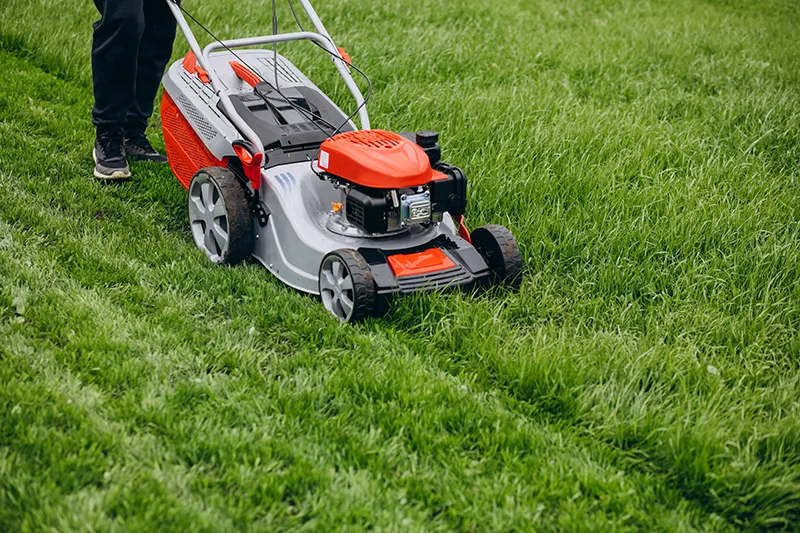
Sharp lawn mower blades make a huge difference in how your lawn looks. Dull blades tear the grass instead of cutting it, leading to brown tips, uneven patches, and extra strain on your mower. In this beginner-friendly guide, you’ll learn how to sharpen lawn mower blades, the signs of dullness, the safest sharpening methods, and the tools you need to get the job done right.
This guide covers how to sharpen a lawn mower blade by hand, how to use a grinder, how to maintain your blade angle, and what to do if your mower still cuts poorly after sharpening.
DIY Difficulty Summary
|
Difficult |
4 / 10 |
|
Time Required |
20 – 35 minutes |
|
Skill Level |
Beginner |
|
Risk Level |
Medium (sharp metal + sparks) |
Tools Needed
Gather these tools before you begin:
- Hand file – best for beginners
- Angle grinder – fast and effective
- Bench grinder – most controlled sharpening
- Vise – holds the blade steady
- Work gloves – protect your hands
- Safety glasses / hearing protection
- Wire brush – remove dirt and grass
- Blade balancer – ensures even rotation
- Wrench / socket set – remove the blade
- Shop rag – for cleanup
Common Causes of Dull Lawn Mower Blades
Lawn mower blades naturally wear down over time, but certain conditions make them dull faster.
- Hitting rocks, sticks, or debris
- Mowing over dry, tough grass
- Cutting wet grass frequently
- Rust or moisture exposure
- Lack of seasonal sharpening
- Grass buildup around the blade
- Blade metal wearing from age
Most homeowners should sharpen mower blades every 20 – 25 hours of mowing or at least once per season
Signs Your Lawn Mower Blade is Dull
- Grass with frayed or brown tips
- Uneven cutting height
- The mower leaving behind strips of uncut grass
- The lower struggling or vibrating more than usual
- Loud or rough cutting sounds
- Excess grass buildup under the deck
- Your lawn turning yellow shortly after mowing
If you notice these signs, it’s time to sharpen the blades.
Safety Warnings (Read Before You Start)
Sharpening a blade is safe as long as you follow these precautions:
- Disconnect the spark plug before removing the blade
- Wear gloves and eye protection
- Stabilize the mower or turn it on its side correctly (carburetor up)
- Use a vise to hold the blade firmly
- Keep fingers away from the blade edge
- Be cautious of sparks when using grinders
- Never use power tools near fuel spills
If anything feels unsafe, stop immediately and reassess.
How to sharpen lawn mower blades (step-by-step guide)
Step 1 – Remove the Blade
- Disconnect the spark plug
- Tilt the mower safely
- Use a wrench to loosen the blade bolt
- Mark the “grass side” so you can reinstall correctly
Step 2 – Clean the Blade
- Use a wire brush to remove dirt or rust
- Ensure the cutting edge is visible before sharpening
Step 3 – Sharpen the Blade
- Option A: Sharpen by hand (beginner-friendly)
- Hold the blade in a vise
- Maintain the factory angle (usually 30°)
- Push the file in one direction, not back-and-forth
- Continue until the edge is sharp and even
- Option B: Use an angle grinder
- Use light pressure
- Follow the natural bevel
- Avoid overheating the metal
- Option C: Use a bench grinder
- Best for heavily damaged blades
- Take off only a small amount of metal
Step 4 – Balance the Blade
An unbalanced blade causes shaking, noisy mowing, and uneven cuts.
- Hang the blade on a blade balancer or nail
- If one side dips, file that side until balanced.
Step 5 – Reinstall the Blade
- Install with sharpened edge facing the correct direction
- Tighten the bolt securely
- Reconnect the spark plug
When to Call a Professional
Call a pro if:
- The blade is cracked or chipped
- The mower vibrates violently even after balancing
- The blade bolt is rusted or won’t loosen / tighten
- You notice bent blade arms
- The mower deck is damaged
Cracked or bent blades must be replaced, not sharpened.
Maintenance Tips for Longer-Lasting Blades
To extend blade life:
- Sharpen once per season (twice if lowing large yards)
- Avoid mowing over rocks or debris
- Clean the underside of the deck regularly
- Store your mower in a dry place
- Inspect for rust every few weeks
- Replace blades every 2-3 years for optimal performance.
Troubleshooting Table
|
Symptom |
Likely Cause |
Quick Fix |
|
Grass looks torn |
Blade is dull |
Sharpen blade |
|
Mower vibrates |
Unbalanced blade |
Rebalance or reinstall |
|
Strips of grass left behind |
Blade not sharp enough |
Sharpen blade |
|
Loud cutting noise |
Bent or damaged blade |
Replace blade |
|
Yellow grass |
Dull blade tearing grass |
Sharpen blade properly |